Source Radiofrequency Machine for Salon, Home, and Clinic
Find 30 radiofrequency machine options for salon, home, and clinic use. Compare models like FG009 and FG660-I with varying features including RF technology, IPL, and micro-needling capabilities from verified suppliers.
Key considerations
Products List


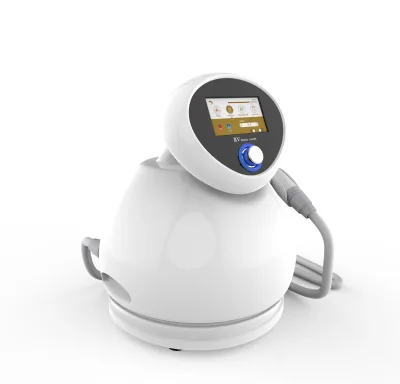


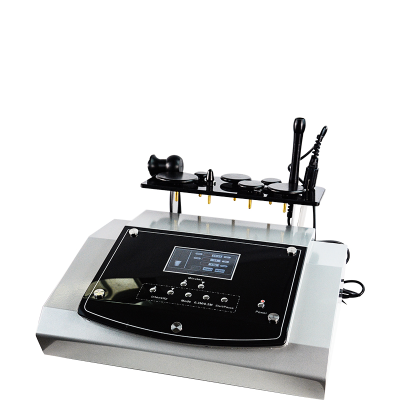


Comprehensive Sourcing Guide
Strategic Sourcing Guide for Radiofrequency Equipment Procurement
Understanding RF Technology and Core Applications
Radiofrequency (RF) machines represent a specialized category of aesthetic and medical devices that utilize electromagnetic energy to generate heat within the dermal layers of the skin. The primary mechanism involves the conversion of RF energy into thermal energy, which stimulates collagen production, promotes tissue tightening, and facilitates fat reduction. In the current B2B market, these devices are categorized primarily by their specific application, such as body slimming, skin rejuvenation, or scar removal. The observed product landscape includes distinct models designed for different therapeutic outcomes, ranging from general skin tightening to targeted fractional micro-needling procedures.
Buyers must first distinguish between the theoretical foundations of the devices they intend to source. The supplied data indicates a clear divergence in technology, with some units operating on RF principles while others utilize Intense Pulsed Light (IPL) technology. For a procurement strategy focused strictly on radiofrequency, it is critical to verify that the "Theory" attribute explicitly states RF. Devices labeled as "RF Equipment" or "Slimming Machine" often serve dual purposes, but the core energy delivery method must be confirmed. Applications vary significantly; some units are marketed for "Scar Removal/Pigmentation Removal" using fractional RF micro-needling, while others focus on "Skin Tightening/Eye Lifting/Wrinkle Removal." Understanding these functional distinctions is the first step in aligning supplier capabilities with specific business needs, whether for a salon, a home-use clinic, or a professional medical practice.
Technical Specifications and Hardware Configuration
When evaluating radiofrequency machines, technical specifications provide the most tangible evidence of device capability and suitability for the intended market. The hardware configuration often dictates the versatility of the machine. A key observation in the current market is the variation in handle and tip configurations. Some advanced units feature "RF+Micro Needles" handles, which combine thermal energy with mechanical penetration to enhance product absorption and tissue remodeling. The specific pin configurations for these tips are critical; data points show options ranging from 25 pins to 81 pins, including specific matrix types like "DOT Martix." Additionally, lattice RF tips and fractional RF tips are available with varying pin counts, such as 59, 188, 289, 36, 64, and 100 pins. These variations directly influence the depth of treatment and the intensity of the thermal effect.
The control interface is another vital specification. Modern RF machines typically feature large touch screens to facilitate operator control and treatment customization. The observed market standard includes an "8 Inch LCD Touch Screen" or an "8.0 Inches Touch Screen," which serves as the primary interface for adjusting parameters. The physical dimensions and weight of the unit are also essential for logistics and placement. While some units are described as "Non Portable" or "Stationary," others are explicitly labeled "Portable." For stationary units, dimensions such as 5852109 cm and weights around 8kg to 12kg (net and gross) are common. Buyers should verify the voltage requirements, as the global market often supports a range of 110-240V to ensure compatibility with different regional power grids. The casing material, often "Aluminum alloy case" or "Wooden Case," also impacts the perceived durability and premium nature of the device.
Compliance, Certification, and Regulatory Standards
Navigating the regulatory landscape is a non-negotiable aspect of sourcing medical and aesthetic equipment. The compliance status of a radiofrequency machine determines its legal marketability in different regions. The supplied data highlights several certification types that buyers should look for. In the European market, the "CE" mark is a fundamental requirement, often listed as "EU Certificate: Ce" or "CE" under general standards. For markets in China or those involving international trade, certifications such as "Cfda" (China Food and Drug Administration) and "Prc Import & Export License" are critical indicators of legitimacy. Furthermore, quality management systems are often verified through "ISO9000" certification, which suggests the manufacturer adheres to international quality standards.
It is important to treat these certifications as observations of specific listings rather than universal guarantees for all products. A buyer must verify that the specific model number they are purchasing carries the necessary documentation for their target region. For instance, a device with a "CE" certificate is suitable for the EU, but if the buyer intends to operate in a region requiring specific medical device registration, additional local approvals may be necessary. The "prod_standard" attribute in some listings refers to physical dimensions (e.g., 58kg) rather than a regulatory standard, which requires careful interpretation. Buyers should request copies of the actual certificates and verify their validity with the issuing bodies. Relying solely on a product description stating "CE" without supporting documentation poses a significant compliance risk.
Cost Drivers and Pricing Dynamics
The pricing of radiofrequency machines is influenced by a complex interplay of factors, including technology complexity, build quality, and the level of customization offered. The observed market data reveals a wide price range, from approximately $3.90 to $40,000. This vast disparity indicates that the category encompasses everything from basic entry-level units to high-end, multi-functional professional systems. The lower end of the spectrum may correspond to simpler RF generators or basic models, while the higher end likely includes machines with advanced features like fractional micro-needling, multiple handpiece options, and sophisticated software interfaces.
Minimum Order Quantity (MOQ) is another significant cost driver. The observed MOQ range spans from 1 unit to 1,000 units. Suppliers offering an MOQ of 1 are typically catering to individual clinics or small businesses, whereas those requiring 1,000 units are targeting large distributors or manufacturers engaging in OEM/ODM projects. The availability of "Customization" and "OEM&ODM" services often commands a premium or requires a higher volume commitment. Buyers should also consider the "prod_packing" costs; units packed in "Aluminum alloy case" or "Wooden Case" may have higher shipping costs due to weight and volume compared to standard packaging. When negotiating, buyers must understand that the price is not just for the hardware but often includes the "Technology Supports Forever" aspect mentioned in warranty terms, which can be a significant value-add over the product's lifecycle.
Supplier Evaluation and Operational Capabilities
Selecting the right supplier requires a deep dive into their operational capabilities and track record. The data indicates that many suppliers are located in "Beijing China" or generally "China," which is a major hub for aesthetic device manufacturing. However, location alone does not guarantee quality. Buyers should evaluate the supplier's ability to provide "Professional Design and Production" services. This is particularly relevant for those seeking OEM or ODM solutions where branding and specific feature sets are required. The "Warranty" terms provided in the listings vary, with some offering "2 Years" and others "1 Year," alongside a promise of "Technology Supports Forever." These terms should be scrutinized to understand what "support" entails—whether it includes software updates, hardware repairs, or technical consultation.
The "Type" of the supplier is also relevant. Whether they are a direct manufacturer or a trading company affects the pricing structure and the depth of technical knowledge available. Suppliers offering "Customization" are likely manufacturers with in-house R&D capabilities. Buyers should verify the "prod_model" consistency; for example, ensuring that the model "FG009" or "FG660-I" corresponds to the specific configuration requested. It is also crucial to assess the supplier's response to the "Application" requirements. If a buyer needs a machine for "Salon" use, the supplier must demonstrate experience in producing units that meet the durability and ease-of-use standards required in high-traffic salon environments. The "Style" of the machine, whether "Stationary" or "Portable," must align with the supplier's production expertise.
Quality Control and Long-Term Procurement Considerations
Implementing a robust quality control (QC) strategy is essential for mitigating risks associated with importing high-tech aesthetic equipment. Given the variation in specifications, such as the "RF Frequency" which may be listed as 5MHz in some contexts, buyers must verify that the actual output matches the claimed specifications. The "Net Weight" and "Gross Weight" differences (e.g., 8kg vs. 12kg) can indicate the density of internal components and the quality of the casing. A significant discrepancy between these weights might suggest the inclusion of heavy, high-quality components or, conversely, poor packaging practices.
Long-term procurement considerations extend beyond the initial purchase price. The "Warranty" period is a key indicator of the manufacturer's confidence in their product. A "2 Years" warranty is generally more favorable than a "1 Year" warranty, assuming the terms of service are comparable. The promise of "Technology Supports Forever" suggests a long-term partnership, but buyers should clarify the scope of this support. Does it include free software upgrades? Does it cover the cost of replacement parts after the warranty expires? Additionally, the "prod_packing" method, such as the use of "Aluminium Alloys Box" or "Wooden Case," plays a role in long-term maintenance and transport safety. For international buyers, understanding the lead times and the reliability of the supply chain from "Beijing" or other Chinese origins is vital. Buyers should establish clear communication channels for technical support and ensure that the supplier can provide timely assistance for any operational issues that may arise during the device's lifecycle.
Comparative Analysis of Key Product Attributes
To facilitate a clearer decision-making process, the following table summarizes the key attributes observed in the market data, highlighting the diversity of options available to buyers. This comparison aids in identifying which product profiles align best with specific procurement goals.
| Attribute Category | Observation A | Observation B | Observation C |
|---|---|---|---|
| Product Model | FG009 | FG660-I | VS++ |
| Primary Theory | RF (Radio Frequency) | IPL (Intense Pulsed Light) | RF (Radio Frequency) |
| Application | Salon, Home | Slimming Machine | Scar Removal/Pigmentation Removal |
| Portability | Non Portable | Portable | Stationary |
| Screen Size | 8 Inch LCD Touch Screen | 8.0 Inches Touch Screen | Not Specified |
| RF Frequency | 5MHz | Not Specified | Not Specified |
| Certification | CE, Cfda, Prc Import & Export License | EU Certificate: Ce, ISO9000 | CE |
| Warranty | 2 Years, Tech Support Forever | 1 Year, Tech Support Forever | 1 Years |
| Packing | Aluminum alloy case | Aluminium Alloys Box | Wooden Case |
| Origin | Beijing China | China | Beijing |
| Key Features | RF+Micro Needles, 25/49/81 Pins | Cavitacion Radiofrecuencia | Fractional RF Tips (36/64/100 pins) |
This table illustrates that no single product fits all use cases. A buyer seeking a portable unit for home use must look for specific attributes like "Portable" and "Salon, Home" application, while a clinic focusing on scar removal requires a unit with "Fractional RF Tips" and specific pin configurations. The variation in warranty and certification further underscores the need for due diligence. By cross-referencing these attributes against their specific business requirements, buyers can narrow down the supplier pool effectively.
Final Procurement Recommendations
In conclusion, sourcing radiofrequency machines requires a meticulous approach that balances technical specifications, regulatory compliance, and supplier reliability. The market offers a wide array of options, from basic RF units to complex fractional micro-needling systems, each with distinct advantages and requirements. Buyers should prioritize verifying the "Theory" of operation to ensure it matches their intended therapeutic goals. Compliance checks must be rigorous, with a focus on valid "CE," "Cfda," and "ISO9000" certifications. Cost analysis should go beyond the unit price to include shipping, packaging, and long-term support costs. Finally, supplier evaluation must consider their ability to provide customization, their warranty terms, and their track record in the industry. By adhering to these evidence-based guidelines, buyers can make informed decisions that ensure the acquisition of high-quality, compliant, and effective radiofrequency equipment.
FAQs
What is the typical warranty period for these machines?
The warranty period is typically one or two years depending on the specific model. Some listings specify a two-year warranty while others offer one year, but all include lifetime technology support for the buyer.
Which certifications are commonly available for these devices?
Common certifications include CE, CFDA, and ISO9000. Some products also carry a PRC Import and Export License, ensuring compliance for international trade and specific regional regulatory requirements.
Can I customize the product for my brand?
Yes, customization is available with professional design and production services. Suppliers offer OEM and ODM capabilities to tailor the device specifications and branding to meet specific business needs.
What is the minimum order quantity for these units?
The minimum order quantity ranges from one unit to one thousand units. This flexibility allows individual clinics to purchase single units while larger distributors can source bulk quantities for resale.
Where are these radiofrequency machines manufactured?
These machines are manufactured in China, with specific origins noted in Beijing. This location is a major hub for aesthetic device production, offering access to established supply chains and manufacturing expertise.
What are the standard packing materials used for shipping?
Standard packing materials include aluminum alloy cases, aluminum alloy boxes, and wooden cases. These durable options protect the equipment during transit and often reflect the premium nature of the device.